Showing posts with label fire safety. Show all posts

Sunday, October 6, 2024

Fire Prevention Week


Fire Prevention Week is an important time to educate children about fire safety and prevention. Here are some child safety tips you can share during this week or at any time to help keep kids safe from fires:


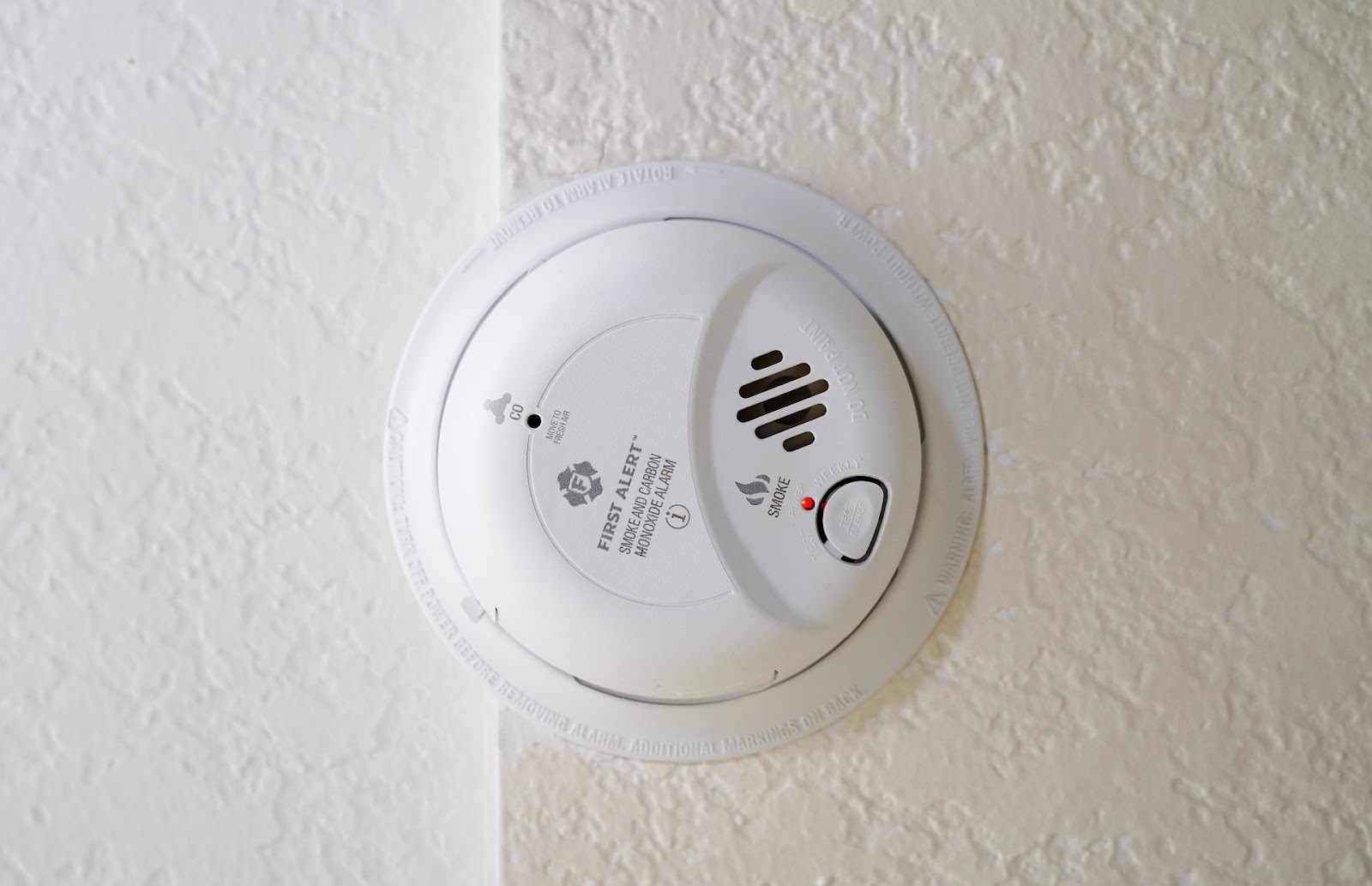
Install Smoke Alarms: Ensure that smoke alarms are installed on every level of your home, including inside and outside sleeping areas. Help children understand what smoke alarms sound like. Teach them what to do if /when they hear them.


Test Smoke Alarms Regularly: Show your child how to test smoke alarms monthly to make sure they are working properly. 


Create an Escape Plan: Develop a fire escape plan with your children. Draw a simple floor plan of your home and mark two escape routes from each room. Teach them how to crawl low under smoke to stay safe.
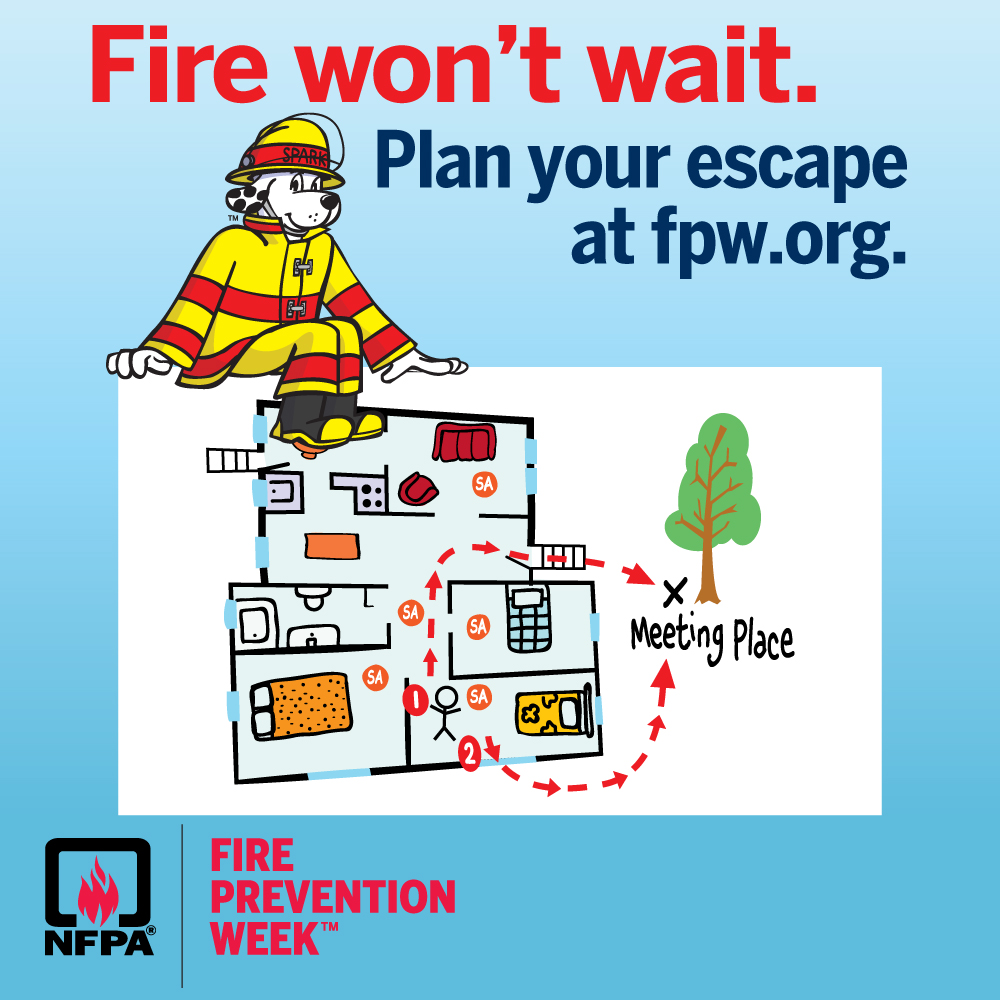

Practice Fire Drills: Regularly practice fire drills with your family. Time how long it takes to get from various parts of the house to the meeting point outside. Make it a game, so kids are motivated to do it.

Teach Stop, Drop, and Roll: Ensure your children know what to do if their clothes catch on fire. Teach them to stop, drop to the ground, cover their face with their hands, and roll to put out the flames.


Kitchen Safety: If age-appropriate, teach your children how to use the stove safely. Emphasize the importance of keeping flammable items away from the stove and using oven mitts or pot holders.


Keep Matches and Lighters Out of Reach: Stress that matches and lighters are tools for adults only and should be kept out of children's reach.


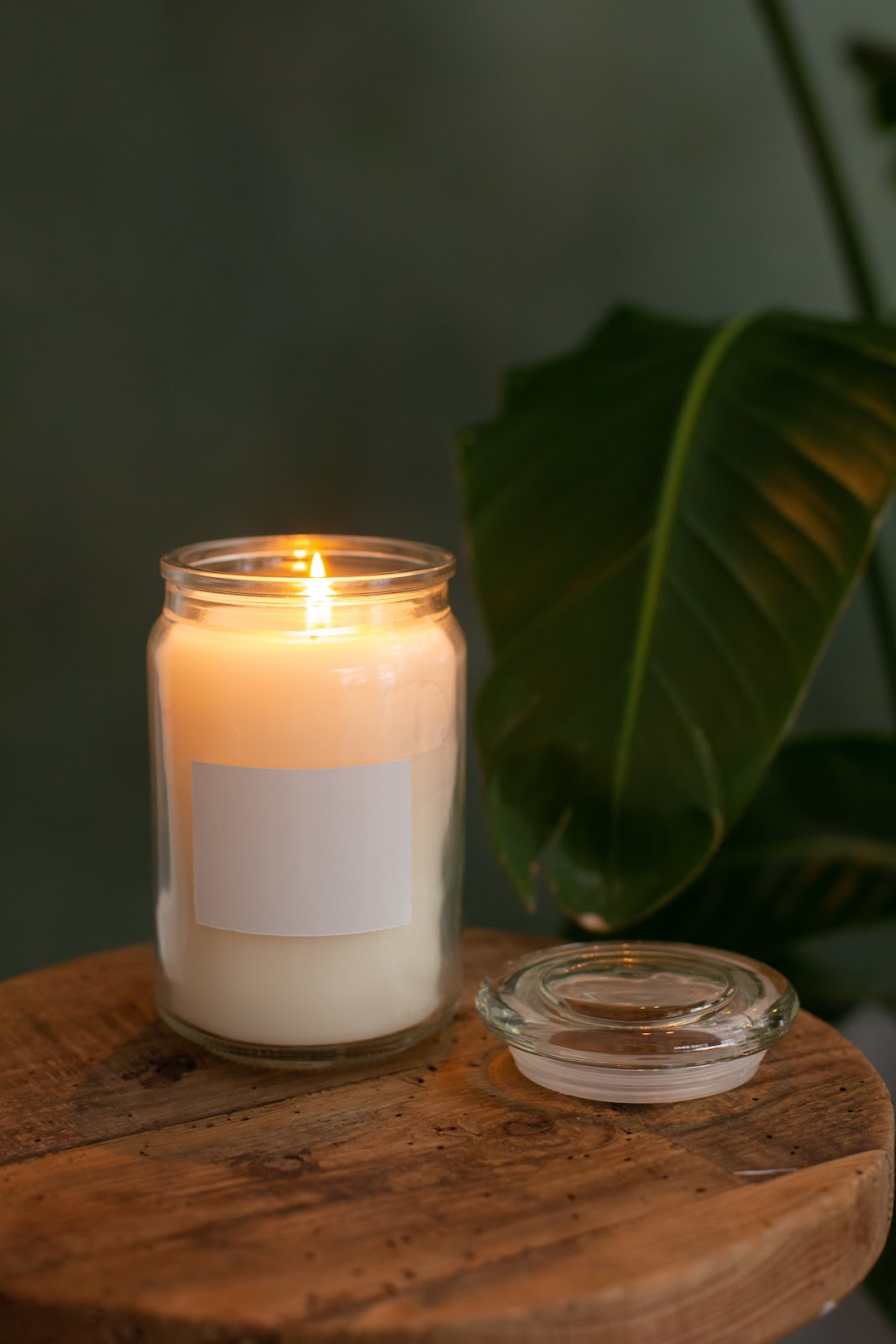
Safe Candle Use: If you use candles at home, teach children not to touch them and to never leave them unattended. Consider using battery-operated candles instead.

Electrical Safety: Teach children not to overload electrical outlets and to report any frayed or damaged cords to an adult.


Stay Low in Smoke: Teach kids to stay low to the ground if they encounter smoke during a fire. Smoke rises, and the air near the floor is generally clearer.


Cool Door Handles: Show children how to check door handles for heat before opening doors during a fire. If the handle is hot, they should find another way out.


Emergency Services: Teach children how to call 911 in case of an emergency. Practice making the call and providing their address.


Stay Out and Stay Safe: Emphasize that once they are outside during a fire, they should never re-enter the house for any reason. They should wait for firefighters to arrive.


Fire Safety in Public Places: Explain that fire safety is important not just at home but also in public places. Show them where fire exits are when you're out and about.


Fire Safety Resources: Introduce your child to fire safety educational materials, videos, and games designed for kids. Many fire departments have websites with interactive resources.


Remember that repetition is key when teaching children about fire safety. Make it a part of regular conversations and practice fire drills regularly to ensure that your child knows what to do in case of a fire emergency.

480-634-7366   www.azchildproofers.com
Childproofing, Pool Fences, Car Seat Safety, Community Education

480-634-7366   www.azchildproofers.com

Source:
azchildproofers.com
twitter.com/AZChildproofers
facebook.com/AZChildproofers

Tuesday, June 15, 2021

National Safety Month 2021


Important Dates

National Safety Month
6/3 World Bicycle Day
6/5 World Environment Day
6/6 D-Day; WW2
6/6 -6/12 National Trailer Safety Week
6/17 Eat Your Vegetables Day
6/18 Take A Road Trip Day
6/19 Juneteenth
6/20 Father's Day
6/20-6/23- National Lightning Safety Awareness Week
6/21  National Ride to Work Day
Pride Month
  

The summer months tend to bring about different or heightened safety hazards. Kids are out of school, people are traveling, it's getting hot, and we are heading toward firework season. This month's safety blog focuses on how to be safe in a variety of areas. Within it, you will find some helpful tips on road safety, firework safety, stranger danger, and hot car safety.  As always last month's product safety RECALLS are at the bottom.


According to Wikipedia, "National Safety Month (NSM) is an annual month-long observance in the United States each June.

During National Safety Month, individuals and organizations participate by making efforts to reduce the leading causes of unintentional injury and death at work, on the road, and in homes and communities."

Road Safety Tips

  • Teach your children how to cross a road safely:
    • Find a safe place to cross, then stop.
    • Look right, left, right and listen for vehicles.
    • If traffic is coming, wait for it to pass.
    • Walk straight across the road.
    • Keep looking and listening for traffic while you cross.
  • Your child will learn about pedestrian safety by watching you, so use safe behavior around cars, roads and car parks.
  • Take advantage of car seat checks and events to make sure your car seat is properly installed for long trips and in case of an accident.

  • Some general driving tips to keep you and your family safe on the road from Safety.com:
    1. Buckle up.
    2. Put down the cell phone.
    3. Use the left lane for passing.
    4. Get up to speed on the acceleration ramp.
    5. Carefully get out of your vehicle after an accident.
    6. Don't drive too closely.
    7. Watch your speed.
    8. Let it go. Avoid road rage.
    9. Be considerate of tractor trailer drivers.
    10. Drive defensively. Watch out for other drivers.
    11. Take breaks over long stretches.
    12. Drive according to weather conditions.
    13. Do NOT drive under the influence.

Firework Safety Tips

Firework safety advice from KidsHealth.org
  • The safest way to enjoy fireworks is at a professional display.
  • It's best to stay away from areas where nonprofessionals are setting off fireworks.
  • Fireworks can cause serious eye injuries, including blindness and starting fires, be cautious.

  • Only adults should light fireworks.
  • Never use fireworks indoors.
  • Be prepared to put out a fire by having a hose or water nearby.
  • Light fireworks one at a time.
  • Stay away from a firework that has not gone off and never try to relight it.
  • Sparklers may seem less dangerous than fireworks, but they get extremely hot — as hot as 1,800°F (982°C), use caution.

Stranger Danger Safety Tips

Have frequent discussions with your children about stranger danger. Teach them:
  • Always tell you or their parents where they are going.
  • Try not to walk anywhere alone.
  • Don't take shortcuts through the woods, a back street or empty lot.
  • Bad people do not always look mean or scary.
  • Do not get close to strangers.
    • Make sure they have room to run.
  • Don’t tell their name or address to a stranger.
  • Never go with a stranger to help look for a lost pet or play a game.
  • Never get into a car with anyone they don’t know.

  • If a stranger bothers them, run away and ask an adult for help.
  • Know safe places they can go – a police or fire station, the library, a store or a friend’s
  • house.
  • If a stranger follows them or grabs for them, yell loud! 
    • Shout, “I don’t know you!”  Fight back and make as much noise as you can.
  • If anyone touches them in a bad way, say,
    • “NO!”  Get away and tell an adult you trust.
    • Keep telling until someone listens.
  • Tell you or their parents about places they don’t feel safe.
  • Talk to you or their parents and come up with a secret code word.
    • Never go with anyone unless they know the secret code word.

If your children are old enough to stay home alone, review these tips with them:

  • Know how and when to call 911.
  • Never open the door to a stranger.
  • Never tell anyone on the phone they are home alone.
  • Never tell any callers their name, number, or address.
  • Hang up right away if they do not like what someone is saying on the phone.

Hot Car Safety Tips

In 2019, 52 children died in hot cars. Use these tips to help prevent a tragedy like this.
  • A child's body heats up three to five times faster than an adult's does.
  • A child can die when his temperature reaches 107 degrees F.
  • Cars heat up quickly! In just 10 minutes, a car can heat up 20 degrees F.
  • Cracking a window and/or air conditioning does little to keep it cool once the car is turned off.
  • Heatstroke can happen when the outside temperature is as low as 57 degrees F.

  • Some ways to prevent hot car deaths:
    1. Look in the backseat before you lock your car and leave.
    2. Keep something you need (like a cellphone, purse, ID badge, left shoe) in the backseat so you will have to look in the back seat.
    3. Travel with a stuffed animal or something obvious in your passenger seat to remind you that their is a child in the backseat.
    4. Always lock the when not using it, even in the garage, so that kids can't get in and overheat.
    5. Put keys and fobs up and away from children so they cannot get into cars without your supervision and overheat. 
    6. Make a plan with your childcare provider to check in with you if your child does show up.
    7. If you see something, do something:
      • If the child is not responsive or is in pain, immediately:

        • Call 911.

        • Get the child out of the car.

        • Spray the child with cool water (not in an ice bath).

      • If the child is responsive:

        • Stay with the child until help arrives.

        • Have someone else search for the driver or ask the facility to page them.

“The biggest mistake people make is thinking it can’t happen to them,” Fennell says.

RECALLS:

May 27, 2021 CPSC; Williams Advanced Materials & Chemicals Recalls Three Chemical Products Due to Failure to Meet Child-Resistant Packaging Requirement and Violation of FHSA Labeling Requirement (Recall Alert)

May 26, 2021 CPSC; JCPenney Recalls Girls Puffer Jackets Due to Entanglement Hazard

May 26, 2021 CPSC; Ergobaby Recalls METROUS Strollers Due to Choking Hazard

May 20, 2021 CPSC; Pro Supply Outlet Recalls Sodium and Potassium Hydroxide Products Due to Failure to Meet Child-Resistant Packaging Requirement and Violation of FHSA Labeling Requirement (Recall Alert)

May 19, 2021 CPSC; IKEA Recalls Bowls, Plates, and Mugs Due to Burn Hazard

May 13, 2021 CPSC; Leisure Time Products Recalls Brutus Swing Sets Due to Injury Hazard (Recall Alert)

May 13, 2021 CPSC; The Lye Guy Recalls Sodium and Potassium Hydroxide Products Due to Failure to Meet Child Resistant Packaging Requirement and Violation of FHSA Labeling (Recall Alert)

May 13, 2021 CPSC; Alliance Chemical Recalls Sodium Hydroxide Products Due to Failure to Meet Child Resistant Packaging Requirement and Violation of FHSA Labeling (Recall Alert)

May 12, 2021 CPSC; K & M International Recalls Slap Watches Due to Coin Cell Battery Ingestion and Choking Hazards

May 6, 2021 CPSC; Kidde Recalls TruSense Smoke and Combination Smoke/Carbon Monoxide Alarms Due to Risk of Failure to Alert Consumers to a Fire

May 5, 2021 CPSC; Peloton Recalls Tread+ Treadmills After One Child Died and More than 70 Incidents Reported

May 5, 2021 CPSC; Kolcraft Reannounces Recall of Inclined Sleeper Accessory and Urges Consumers to Act Now to Prevent Risk of Suffocation

May 5, 2021 CPSC; TJX Recalls Infant Sleep Bags Due to Suffocation Risk; Sold at T.J. Maxx, Marshalls and Sierra

* information from Consumer Product Safety Commission

Thursday, February 4, 2021

National Burn Awareness Week & American Heart Month


February is all out showing love! You and your children may be looking forward to making crafts and eating candy on Valentine's day this month and so are we! We found these great DIY Printable Valentine's Day Cards perfect to share friends and family to celebrate the holiday. February is also a special month for many other important observances as well. 

This month's safety blog focuses on burn prevention in general AND how to prevent burns and scalding with your children. 

February is American Heart Month

"The American Heart Association's CPR & ECC inspires the world to save lives and envisions a world where no one dies from cardiac arrest. The AHA is the leader in resuscitation science, education, and training, and publisher of the official Guidelines for CPR and ECC. Millions of healthcare providers and others trust the AHA for their lifesaving training, and 100% of the AHA's profits go back into supporting its life saving mission."

Tips from The American Burn Association


• Supervise children around hot objects at all times.

• Stand at least 3 feet away from hot outdoor objects. Keep area clear of trip hazards. Limit alcohol consumption.

• Protect your feet from hot objects by wearing shoes when walking on hot pavement or sand. Keep pets off hot pavement too.

• Turn heating pads and blankets off before sleep.

• Have hot pads available whenever cooking. Long oven mitts are best when needing to reach in or over hot surfaces, such in an oven or over a grill. Assume all pots and pans are hot.

• Remember to treat items coming from the microwave as you would items from the oven. Limit microwave use by children.

• Unplug tools such as curling irons  when not in use, and always treat as if they are still hot. Keep out of reach of children

Full PDF from the American Burn Association 

Child Burn Prevention Tips

Keep your littles safe from potential burns:

  • Apply cold running water for 10-15 minutes to cool a burn and call 9-1-1 for serious burns.
  • Again supervision is key, always watch children in the kitchen and dining areas.
  • The kitchen is one of the most hazardous places for a child. Create a “No Child Zone” while preparing and serving hot foods and beverages. 

  • While cooking on the stove, don’t carry or hold a child. Better, place the child in a high chair or other safe area while cooking.
  • Children love to reach, remember to use the back burner of your stove and turn pot handles away from its edge to prevent hot food or liquid spills. 
  • Items from the microwave are just as hot as cooked on the stove. Test before giving to children.
  • Unplug hot irons (clothing and curling irons). Keep them out of reach of children.
  • Watch little ones' clothing around flames or heating elements. Keep them away from candles and blow them out when not in the room. 
  • To prevent accidental scalding, set your water heater to 120 degrees Fahrenheit or the manufacturer’s recommended setting.
  • For bath time, turn on cold water first then mix in warmer water to safe temperature.  
  • Make a habit of placing matches, gasoline, and lighters in a safe place, preferably in a high, locked cabinet, out of children’s reach and avoid novelty lighters as they may look like toys in a child’s eyes.
  • Before putting a child  into a car seat, touch the seat to see if it is hot. Hot seat-belt straps or buckles can cause second-degree burns on small children. Cover the car seat with a towel when you park in the sun.

RECALLS:

January 27, 2021 CPSC; CB2 Recalls Junction Tall Chests and Low Dressers Due to Tip-Over and Entrapment Hazards

January 19, 2021 CPSC; Rapala USA Recalls Rechargeable Fillet Knives Due to Fire Hazard

January 14, 2021 CPSC; Scalpa Recalls Scalpa Numb Maximum Strength Topical Anesthetic Cream Due to Failure to Meet Child Resistant Packaging Requirement; Risk of Poisoning (Recall Alert)

January 13, 2021 CPSC; Sea to Summit Recalls Camping Pots Due to Burn and Scald Hazards

January 13, 2021 CPSC; Juratoys Recalls Toy Trumpets Due to Choking Hazard

January 13, 2021 CPSC;Belkin Recalls Portable Wireless Chargers + Stand Special Edition Due to Fire and Shock Hazards

January 7, 2021 CPSC; Noble House Home Furnishings Recalls Chests, Cabinets and Dressers Due to Tip-Over and Entrapment Hazards (Recall Alert)

January 6, 2021 CPSC; Massimo Motor Sports Recalls Percussion Massage Guns Due to Fire Hazard; Sold Exclusively at Costco

* information from Consumer Product Safety Commission

Arizona Childproofers    480-634-7366    www.azchildproofers.com


Wednesday, October 7, 2020

SIDS, Pregnancy and Infant Loss Awareness Month 2020

Important Dates

SIDS AWARENESS MONTH 
PREGNANCY AND INFANT LOSS AWARENESS MONTH

10/4 - 10/10 Fire Prevention Week
10/9 - 10/15 Baby Loss Awareness Week
10/23 Breast Cancer Now's WEAR IT PINK DAY

10/31 Halloween

It's FALL YA'LL!

October can be an exciting time for children and adults alike!  The weather is cooling down, spooky decorations are being put up, and kids are deciding on their costumes and dreaming of sugar! This month's blog is providing some trick-or-treating tips for a fun night to remember. We are also raising awareness about SIDS and how to reduce the risk. We hope this information helps you and keeps your little pumpkins safe.  

According to Safe to Sleep, 

  • SIDS is a sudden and silent medical disorder that can happen to an infant who seems healthy.
  • SIDS is sometimes called "crib death" or "cot death" because it is associated with the time when the baby is sleeping. Cribs themselves don't cause SIDS, but the baby's sleep environment can influence sleep-related causes of death.
  • SIDS is the leading cause of death among babies between 1 month and 1 year of age.
  • About 1,360 babies died of SIDS in 2017, the last year for which such statistics are available.
  • Most SIDS deaths happen in babies between 1 month and 4 months of age, and the majority (90%) of SIDS deaths happen before a baby reaches 6 months of age. However, SIDS deaths can happen anytime during a baby's first year.

Ways to Help Protect your Baby from SIDS

  1. Ensure the crib is properly assembled.
  2. Always place baby on their back to sleep.
  3. Remove everything from the crib other than the mattress and fitted sheets (i.e. stuffed animals, pillows, blankets and bumpers.)
  4. Use a firm mattress.
  5. Do not overdress your baby when they sleep. 
  6. Use a sleep sack, not sheets.
  7. Baby sharing parents room for at least the first 6 months can reduce the risk of SIDS.
  8. Baby should not sleep with other infants in the crib or in a bed/on a couch with adults.
  9. Keep a pollutant/ smoke-free room. 
  10. Breastfeeding or using expressed milk for the first 6 months can reduce the risk of SIDS.
  11. Limit baby's exposure to persons who have colds or other respiratory infections.


CDC Safety Tips


Many traditional Halloween activities can be high-risk for spreading viruses. There are several safer, alternative ways to participate in Halloween. If you may have COVID-19 or you may have been exposed to someone with COVID-19, you should not participate in in-person Halloween festivities and should not give out candy to trick-or-treaters.

Wear masks

  • Wear a mask at all times when around people who don’t live in your household to reduce the risk of spreading the virus.
  • Avoid singing, chanting, or shouting, especially when not wearing a mask and within 6 feet of others.
Do not use costume masks in place of cloth masks
  • Do not use a costume mask (such as for Halloween) as a substitute for a cloth mask unless it is made of two or more layers of breathable fabric that covers your mouth and nose and doesn’t leave gaps around your face.
  • Do not wear a costume mask over a cloth mask because it can be dangerous if the costume mask makes it hard to breathe. Instead, consider using a Halloween-themed cloth mask.

Social distance and limit close contact

  • Maintain a distance of at least 6 feet or more from people you don’t live with. Be particularly mindful in areas where it may harder to keep this distance, such as restrooms and eating areas.
  • Avoid using restroom facilities at high traffic times, such as at the end of a public event.
  • Minimize gestures that promote close contact. For example, do not shake hands, elbow bump, or give hugs. Instead wave and verbally greet others.


Halloween Safety Tips


BEFORE YOU LEAVE

  •  EAT A HEALTHY MEAL 
  •  REVIEW the safety rules (see below)      
  •  DO a safety check on the costumes to be sure everything works, there are no tripping hazards and if  wearing a mask the child can see forward and sideways

HALLOWEEN NIGHT SAFETY RULES

  • NO running      
  • Stay with the group 
  • KIDS UNDER 12 should 'Trick or Treat" and cross streets  with an adult at corners and crosswalks. 
  • Establish a route you will be going on   
  • Stay on the sidewalk, do not dart into the street 
  •  LOOK BOTH WAYS before crossing the street   
  •  WATCH FOR CARS turning or backing up.   
  •  Stop at only familiar houses and only those with a porch light on.      
  •  NEVER go inside a house to get a treat, stay on the porch       
  •  Don't play near lit Jack 'O Lanterns
  •  No eating candy till you get home and check it    

CANDY

  •   Try to get reflective candy bags or buckets to make kids more visible
  •   INSPECT all candy BEFORE your child eats even one piece                       
    • Toss candy with faded wrappers,  with holes or tears or no wrapper at all
    • Remove candy that can be a choking hazard especially for those under 3 years old 
  • DO NOT eat food products - from people you don't know, set aside and discard later
  • LIMIT the amount of candy your child eats to avoid a  tummy ache
  • Keep the candy up and out of the way

DRIVING

  • SLOW DOWN... especially in residential  neighborhoods
  • BE ALERT! Children are excited on Halloween 
  • TAKE EXTRA TIME to look at intersections, medians, and curbs
  • Enter and exit driveways or alleys carefully and slowly
  • ELIMINATE DISTRACTIONS inside your car - be hyper vigilant
  • Turn headlights on early to see children sooner
DO NOT drink and drive.  DO NOT talk on the phone or text and drive. WATCH for kids!

See  LOWER, MODERATE, and HIGHER Risk Activities suggested by the CDC here.


Give us a call for more information at:
480-634-7366
or contact us through:
www.azchildproofers.com

HALLOWEEN SAFETY TIPS FOR HALLOWEEN NIGHT!

  A.  BEFORE YOU LEAVE          1.    EAT A HEALTHY MEAL!!!!!           2.    REVIEW  the Safety Rules (see below)                3.    DO  ...